Blogs
Best Safety Boots and Safety Shoes in Ghana for Construction Workers
Construction workers in Ghana operate in demanding environments—from high-rise projects in Accra to road construction, mining zones, and industrial developments across Tema and Takoradi. One of the most important pieces of personal protective equipment (PPE) on any site is safety footwear. The right safety boots not only protect workers from injuries but also improve comfort, productivity, and long-term foot health.
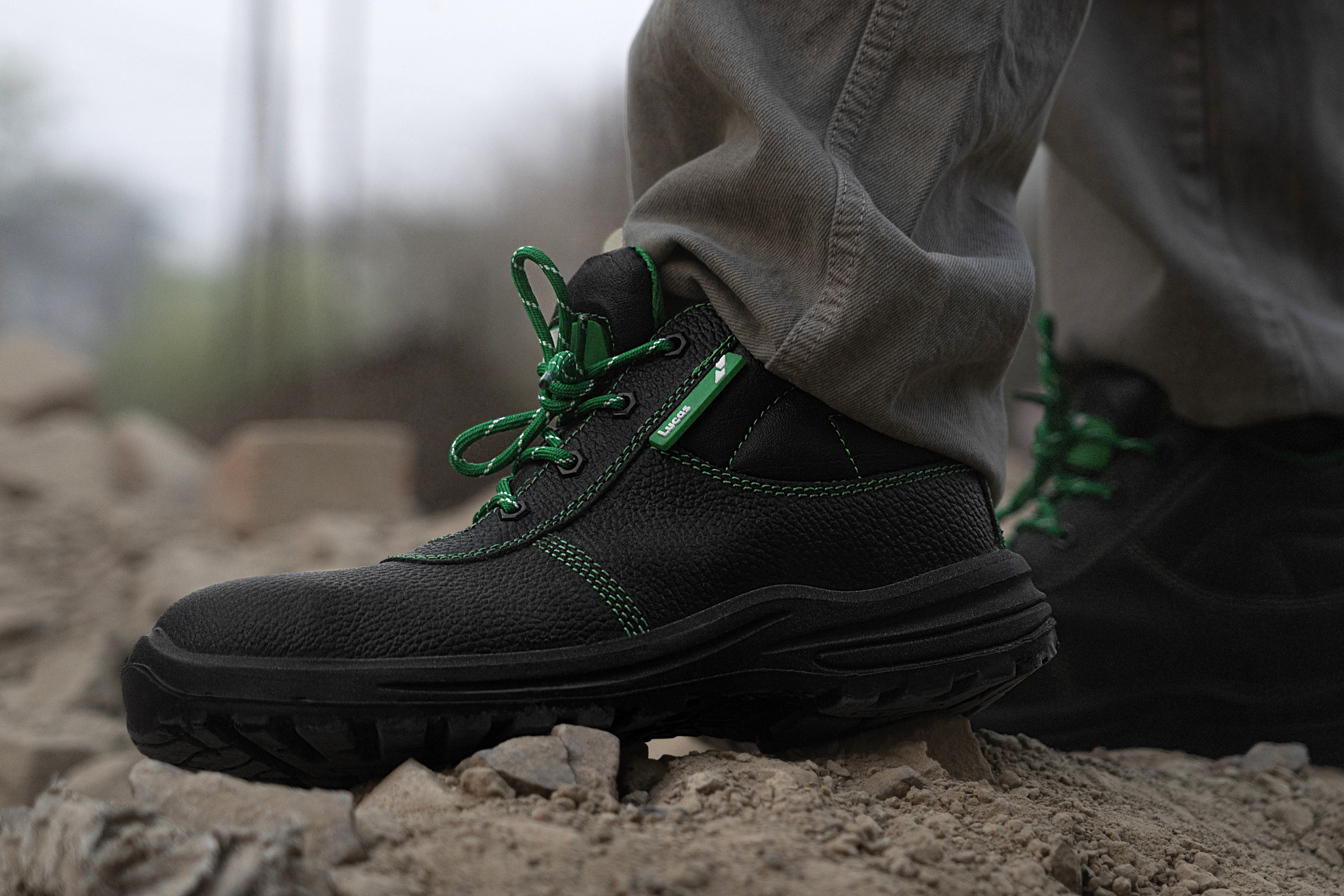
Among the leading options available today, Lucas Safety Boots have become a preferred choice for construction professionals due to their durability, protective features, and compliance with international safety standards.
Why Safety Boots Are Essential for Construction Workers in Ghana
Construction sites expose workers to multiple hazards such as falling objects, sharp debris, slippery surfaces, electrical risks, and heavy equipment movement. Safety boots are specifically designed to protect against these risks while supporting workers through long shifts.
In Ghana, PPE compliance is critical across construction and mining sectors. Safety footwear must include features like steel or composite toe caps, slip resistance, puncture-proof soles, and durable construction to meet safety expectations.
Choosing the right safety boots is not just about protection—it is about reducing accidents, improving efficiency, and ensuring workplace safety standards are met.
Key Features to Look for in the Best Safety Boots
When selecting safety shoes for construction work in Ghana, certain features are essential for both protection and comfort.
1. Steel or Composite Toe Protection
Steel toe caps protect against heavy impacts and compression from falling tools and materials. Composite toes provide a lighter alternative and are suitable for electrical environments.
2. Puncture-Resistant Soles
Construction sites often contain nails, glass, and sharp metal debris. Boots with penetration-resistant midsoles prevent injuries from underfoot hazards.
3. Slip Resistance
Wet surfaces, oil spills, and muddy terrain are common in Ghana’s climate. Slip-resistant outsoles improve grip and reduce fall risks.
4. Ankle Support
Uneven ground and heavy workloads demand high-ankle boots that provide stability and reduce strain during long working hours.
5. Comfort for Long Shifts
Construction workers spend 8–12 hours on their feet. Cushioned insoles, breathable lining, and ergonomic design help prevent fatigue and improve performance.
6. Durable Materials
Premium leather, reinforced stitching, and rugged outsoles ensure the boots last longer in tough environments.
7. Additional Safety Features
Modern safety boots may also include waterproofing, oil resistance, chemical protection, and electrical hazard insulation depending on the job role.
Why Lucas Safety Boots Are Ideal for Construction in Ghana
Lucas Safety Boots are designed to meet the real-world challenges faced by construction workers. They combine safety, durability, and comfort while aligning with global safety footwear standards.
Globally Recognized Standards
Lucas boots are built to meet international safety certifications such as ISO 20345, which includes impact resistance, slip resistance, and puncture protection requirements.
Protection in Hazardous Environments
Lucas footwear protects against falling objects, electrical hazards, sharp debris, and slippery surfaces—common risks on construction sites.
Built for Ghana’s Work Conditions
From dusty road projects to humid industrial zones, Lucas boots are designed to handle tough terrain, heavy workloads, and changing weather conditions.
Comfort Meets Durability
Ergonomic designs, cushioned support, and breathable materials allow workers to stay comfortable during long shifts without compromising safety.
Types of Lucas Safety Boots Suitable for Construction Workers
Lucas offers multiple safety footwear options tailored to different construction roles:
-
Steel toe boots for heavy-duty protection
-
Composite toe boots for electrical environments
-
Waterproof boots for outdoor construction sites
-
Oil-resistant footwear for industrial worksites
-
High-ankle boots for stability and injury prevention
These options ensure workers can choose boots based on specific job requirements and site conditions.
Benefits of Using the Right Safety Shoes
Investing in high-quality safety boots offers long-term advantages:
-
Reduced workplace injuries
-
Improved worker confidence and productivity
-
Compliance with safety regulations
-
Better foot support and reduced fatigue
-
Long-lasting footwear performance
For employers, this also means fewer safety incidents and better project efficiency.
Choosing the Best Safety Boots in Ghana
Before purchasing safety boots, construction workers should consider:
-
Nature of their job (road work, building construction, electrical, etc.)
-
Type of hazards present on-site
-
Required safety certifications
-
Comfort level for long working hours
-
Weather and terrain conditions
Lucas Safety Boots provide options that meet these requirements, making them suitable for both large construction companies and individual workers.
Conclusion
Construction workers in Ghana need reliable, durable, and protective footwear to stay safe on the job. The best safety boots combine protection, comfort, and compliance with international standards—qualities that define Lucas Safety Boots.
Whether working on infrastructure projects, commercial buildings, or industrial sites, choosing the right safety shoes is essential for safety and productivity. Lucas continues to support Ghana’s construction workforce with footwear built to perform in demanding environments, making it a trusted brand for professionals who prioritize protection and reliability.